
A Professional Educational Overview for Licensed Healthcare Providers Injection techniques have played a notable role in the evolution of musculoskeletal medicine. Over the past century, clinicians, researchers, and educators have explored a wide range of injectable preparations and procedural approaches as part of broader discussions about muscle physiology, tissue response, and professional practice standards. This article provides a historical and educational perspective on how injection techniques emerged, how they have been referenced in professional literature, and how injectable products continue to be evaluated within modern clinical environments. This overview is informational only and does not describe clinical uses, safety, or efficacy of any product or procedure.
Early Foundations in Musculoskeletal Research
The origins of injection based approaches in musculoskeletal care can be traced to early twentieth century investigations into muscle structure, localized tissue sensitivity, and the mechanical behavior of skeletal muscle. As clinicians documented patterns of muscular tension and localized sensitivity, they began exploring whether introducing small volumes of fluid into specific regions of muscle tissue could support further study of muscular physiology.
These early explorations were primarily academic. They reflected a growing interest in understanding how muscles respond to mechanical, chemical, and manual stimuli. Injection techniques were discussed as one of several tools researchers used to observe tissue behavior under controlled conditions.
Expansion of Injectable Preparations in Professional Literature
As musculoskeletal medicine matured, professional discussions expanded to include a variety of injectable preparations. These references appeared in medical journals, educational texts, and professional training programs. Among the categories of injectables discussed were:
- Aqueous solutions used for anatomical exploration
- Local anesthetic formulations referenced in procedural education
- Saline solutions used in research settings
- Botanical preparations, including plant derived extracts supplied to licensed healthcare professionals
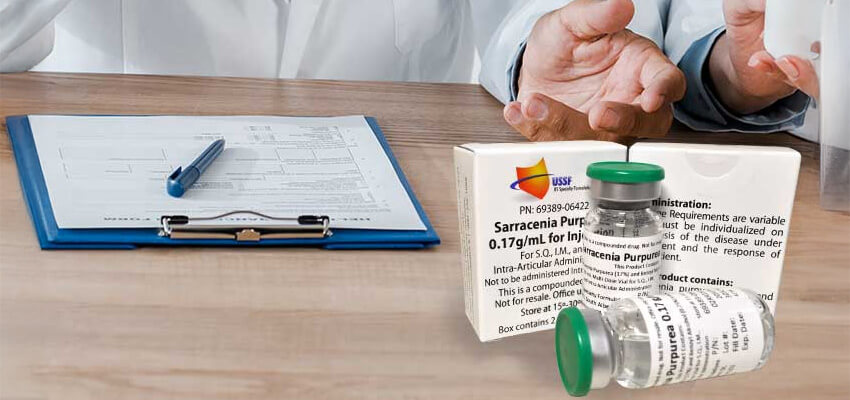
One botanical preparation that has appeared in professional discussions is Sarapin, derived from Sarracenia purpurea. Sarapin has been historically supplied as a sterile, non narcotic, steroid free injectable preparation available only to licensed healthcare providers. Healthcare professionals interested in its background can review the product overview at: https://ussfgmp.com/sarapin.html
These references do not imply clinical benefit. Rather, they illustrate the diversity of injectable preparations that have been examined or discussed within professional environments over time.
Interested in Sarapin? Discover detailed product information and clinical applications.
Learn More About SarapinProfessional Training and Procedural Education
As injection techniques became more widely referenced in musculoskeletal medicine, professional training programs began incorporating foundational instruction on:
- Sterile technique
- Anatomical landmarks
- Documentation standards
- Regulatory compliance
- Safe handling of injectable products
These educational components remain essential today. Licensed healthcare professionals who perform injection based procedures must operate within their legal scope of practice and adhere to state and federal regulations governing medical procedures. For general educational material on injection related topics, professionals may explore: https://ussfgmp.com/trigger-point-injections.html
Manufacturing and Quality Considerations for Injectable Products
Throughout the history of musculoskeletal medicine, one theme has remained consistent: injectable products must meet high standards of quality and traceability. Healthcare professionals evaluating injectable preparations typically consider:
- Controlled manufacturing environments designed to support sterility
- Ingredient sourcing documentation, especially for botanical extracts
- Lot traceability, including batch numbers and expiration dates
- Professional only distribution policies to ensure appropriate handling
These considerations help practitioners assess whether a supplier aligns with expectations for clinical environments. Providers seeking information about professional only injectable products can contact USSF at: https://ussfgmp.com/healthcare-professionals.html
Modern Perspectives and Continuing Professional Dialogue
Today, injection techniques continue to appear in educational discussions across musculoskeletal medicine, physical rehabilitation, sports medicine, and related fields. These conversations often explore topics such as:
- Historical context
- Procedural evolution
- Manufacturing standards
- Professional training requirements
- Regulatory considerations
In contemporary professional writing, the emphasis is typically on clear, factual information. For that reason, discussions about injectable products in this article focus on background, production standards, and distribution practices rather than interpreting clinical outcomes.
Conclusion
Injection techniques have a long and varied history within musculoskeletal medicine. From early anatomical research to contemporary professional education, injectable preparations have been referenced as part of broader discussions about muscle physiology, procedural technique, and clinical practice standards. Botanical preparations such as Sarapin have appeared in these discussions due to their historical presence in professional settings and their availability to licensed healthcare providers. Healthcare professionals seeking additional educational resources or product information may visit:
USSF Professional Resources
https://ussfgmp.comSarapin Product Overview
https://ussfgmp.com/sarapin.htmlInjection Related Educational Material
https://ussfgmp.com/trigger-point-injections.htmlAs with all injectable products, professional only preparations should be obtained and used exclusively by licensed healthcare providers operating within their legal scope of practice.
Tags: trigger point injection, trigger point injections back, trigger point injections or myofascial pain