
A Professional Educational Resource for Licensed Healthcare Providers
Injection‑based procedures have appeared in musculoskeletal and craniofacial literature for decades. As professional interest in joint mechanics, muscular tension, and localized tissue sensitivity has expanded, so has the need for clear, factual, and regulatory‑appropriate educational materials describing how injection terminology is used in professional environments.
This article provides an educational overview of how TMJ‑related injection terminology appears in professional literature, how it aligns with broader musculoskeletal terminology systems, and what manufacturing and regulatory considerations licensed healthcare providers typically evaluate when reviewing injectable preparation discussions.
This overview does not describe clinical uses, safety, or efficacy and is not intended as medical advice.
TMJ Anatomy and the Emergence of Injection‑Based Terminology
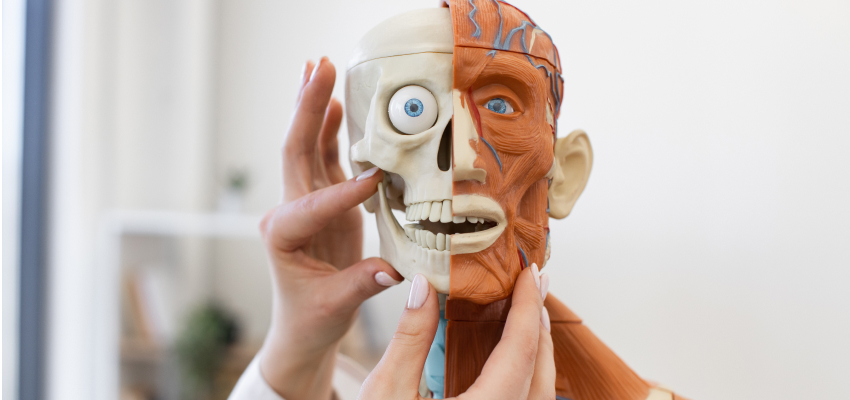
The temporomandibular joint (TMJ) is a complex craniofacial structure supporting jaw movement, articulation, and functional biomechanics. As clinicians studied TMJ throughout the twentieth century, they documented patterns of muscular tension, joint mechanics, and localized sensitivity that contributed to broader discussions about craniofacial physiology.
Within these academic and professional conversations, TMJ‑related injection terminology began appearing as one of several procedural descriptors used in musculoskeletal and dental medicine. These references typically focus on:
- anatomical considerations
- procedural evolution
- professional training requirements
- sterile technique
- documentation standards
These discussions are primarily educational and terminology‑driven, reflecting the growing interest in understanding joint behavior and the role of injection‑based procedures in professional settings.
Additional educational context involving muscular terminology and procedural discussions is available at: https://ussfgmp.com/trigger-point-injections.html
Understanding TMJ Injection Terminology in Professional Literature
Professional literature often situates TMJ‑related injection terminology within a broader family of musculoskeletal descriptors. In educational settings, terms such as TMJ injection, back pain injections, trigger point terminology, and injection for sciatica nerve pain may appear together because they belong to shared anatomical mapping, documentation, and procedural communication frameworks.
These references do not imply shared clinical purpose or treatment outcomes. Instead, they reflect how educators categorize anatomical regions and procedural language within structured communication systems.
In TMJ‑related contexts, terminology discussions typically focus on:
- joint structure
- muscular attachments
- procedural history
- professional training
- regulatory considerations
This approach maintains emphasis on anatomy and professional communication rather than clinical interpretation.
Anatomical Context of the Temporomandibular Region
Professional discussions of the temporomandibular region often highlight the relationship between:
- facial musculature
- connective tissue systems
- neuromuscular pathways
- myofascial structures
- craniofacial biomechanics
Because these structures are frequently studied alongside other musculoskeletal regions, TMJ‑related terminology may appear in proximity to discussions involving spinal anatomy, paraspinal musculature, or myofascial trigger point mapping. This overlap reflects educational structure—not clinical equivalence.
Injectable Preparations Referenced in TMJ‑Related Discussions
Over the years, various injectable preparations have appeared in professional literature related to TMJ and musculoskeletal terminology. These references may include:
- sterile aqueous solutions
- local anesthetic formulations
- saline preparations
- botanical extracts used as only professionally injectable products
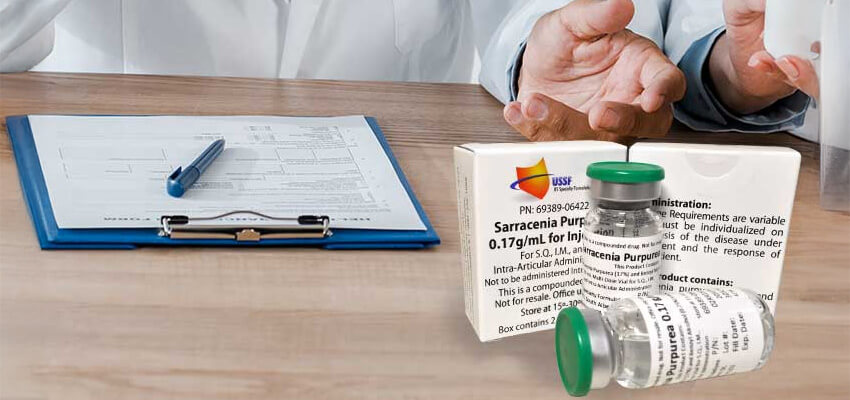
One botanical preparation referenced in professional literature is Sarapin, a sterile aqueous distillate historically derived from Sarracenia purpurea (pitcher plant). While not specific to TMJ‑related procedures, Sarapin appears in educational materials due to its botanical origin, sterile manufacturing requirements, and professional‑only distribution model.
Licensed providers seeking factual background information may explore: https://ussfgmp.com/sarapin.html
These references focus on manufacturing, sourcing, and distribution—not clinical outcomes.
Interested in Sarapin? Discover detailed product information and clinical applications.
Learn More About SarapinManufacturing and Quality Standards for Injectable Products
Regardless of anatomical region, injectable preparations used in professional settings must meet rigorous manufacturing and quality standards. Professional literature often highlights the operational systems that support sterile pharmaceutical production, including:
- controlled cleanroom environments
- environmental monitoring systems
- cleanroom validation
- raw material verification
- botanical identity testing (for plant‑derived materials)
- analytical testing protocols
- sterility assurance procedures
- batch documentation and traceability
These systems align with Current Good Manufacturing Practice (cGMP) expectations and support the integrity of sterile injectable products supplied to licensed healthcare professionals.
Additional information about sterile manufacturing capabilities is available at: https://ussfgmp.com/
TMJ Injection Terminology Within Musculoskeletal Education
Healthcare education programs frequently incorporate TMJ‑related terminology into broader modules covering:
- musculoskeletal anatomy
- myofascial structures
- craniofacial biomechanics
- procedural documentation
- anatomical localization
- clinical communication standards
This terminology helps maintain consistency within charting systems, interdisciplinary communication, and structured educational frameworks.
A simplified comparison of commonly referenced terminology in musculoskeletal literature:
| Terminology | Associated Context |
| TMJ injection | Temporomandibular anatomy and procedural terminology |
| Back pain injections | Musculoskeletal and spinal region discussions |
| Injection for sciatica nerve pain | Neurological and anatomical terminology |
| Trigger point injections | Myofascial and muscular mapping terminology |
These descriptors function as educational and anatomical references, not consumer‑directed healthcare guidance.
Regulatory and Ethical Considerations
In the United States, injection‑based procedures—including those referenced in TMJ‑related educational materials—fall under federal and state regulatory frameworks. Licensed healthcare professionals are responsible for ensuring that any injectable products they obtain:
- meet applicable regulatory requirements
- are sourced through legitimate distribution channels
- are used within their authorized scope of practice
Because regulatory oversight emphasizes factual, non‑promotional communication, educational materials discussing TMJ‑related injection terminology focus on anatomy, procedural history, and manufacturing standards rather than describing clinical outcomes or efficacy.
Conclusion
TMJ‑related injection terminology has appeared in professional literature for many years as part of broader discussions involving craniofacial anatomy, musculoskeletal procedures, and injection‑based terminology used by licensed healthcare providers. These discussions emphasize anatomical understanding, manufacturing standards, and professional training rather than clinical interpretation.
Healthcare professionals seeking additional educational resources or information about professionally distributed injectable products may explore:
- USSF Professional Resources:https://ussfgmp.com/
- Sarapin Product Overview:https://ussfgmp.com/sarapin.html
As with all injectable products and procedures, TMJ‑related injections should only be obtained and administered by licensed healthcare professionals operating within their legal scope of practice.
Tags: back pain injection, nerve pain injection, sarapin, scatia nerve pain injection, tmj injection, tmj injection overview, tmj injections treatments